KEDC Presents Q3 Update to the City Council
Housing, Mariculture, and Community Driven Economic Work
On October 23, Executive Director Melissa Schoenwether presented KEDC’s third quarter report to the City Council. She was joined by guest Kelly Wyche from the University of Alaska Center for Economic Development. The presentation highlighted major progress in housing, mariculture, and community led economic projects. It also outlined how these efforts align with the City and KEDC Memorandum of Agreement.
Strengthening Community Driven Economic Projects
KEDC opened the presentation with an update on the five Value Chains that emerged from the Recharge Our Community’s Economy workshop series. These are Business Support, Walkability, Childcare, Housing, and Seafood Market Development.
Four of the five groups now have designated leads.
The Kodiak Chamber of Commerce is leading Business Support and developing a Business Start Up Guide.
Sandra West is coordinating the Walkability Value Chain.
KEDC continues to lead the Housing group.
Theresa Peterson, with support from Danielle Ringer, is advancing the Seafood Market Development work.
These groups reflect a collaborative network of residents, organizations, and partners working together to move community priorities forward. KEDC and RCAC continue to offer facilitation, technical assistance, and project management support through the RCAC grant that runs through September 2026.
Housing Remains a Top Priority
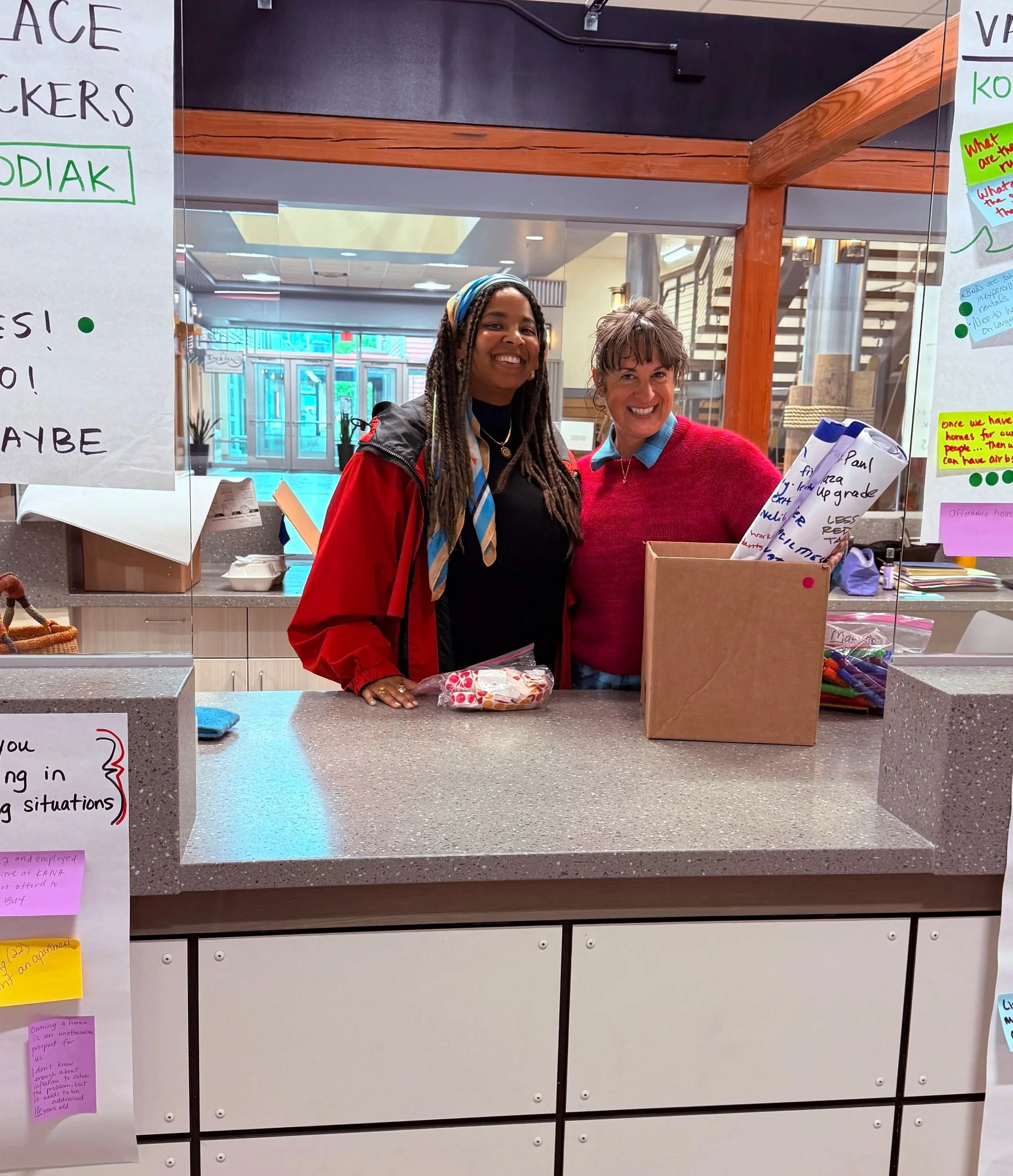
Housing continues to be one of Kodiak’s most significant challenges. In the third quarter, KEDC and CED completed major components of the Housing Action Plan and invested more than 82 hours in community engagement. This outreach reached about 220 people through forums, focus groups, village visits, advisory meetings, and direct conversations with residents, employers, and workforce members.
Melissa shared that this engagement ensures the plan reflects real experiences from across the Kodiak Archipelago, including the City, the Borough, and village partners. She also noted that a reconvening of the Housing Steering Committee on October 28 will help guide implementation in the next phase of the work.
Insights from the Field, Guest Remarks from CED
Melissa invited Kelly Wyche from the Center for Economic Development to share insights from the summer and early fall engagement period. Kelly described community conversations at the Kodiak Marketplace, village visits in Port Lions, Ouzinkie, and Old Harbor, and direct feedback gathered from residents over several months.
Kelly emphasized that people want clear information, practical solutions, and ongoing communication as housing work moves forward. She also noted the importance of lifting up village perspectives so the Housing Action Plan remains relevant across all communities in the region.
Housing Action Plan Recommendations
Melissa then walked the Council through the six core themes of the Housing Action Plan.
Housing Finance and Revenue Tools. Creating a Housing Trust Fund, dedicating short term rental revenue, and developing a pre development investment fund.
Zoning and Land Use Reform. Updating zoning codes to allow duplexes, triplexes, and multifamily housing, revising accessory dwelling unit rules, and encouraging mixed use and workforce housing.
Development Process and Construction Innovation. Improving clarity in permitting, offering a single point of contact for developers, and supporting modular and prefabricated construction.
Infrastructure and Cost of Building. Addressing wastewater system capacity, exploring shared purchasing, and supporting design flexibility and local workforce development.
Investing in Village Housing. Supporting rehabilitation, derelict property removal, and home maintenance programs that help residents stay in their communities.
KEDC Leadership and Coordination. Sustaining the Housing Steering Committee, designating a housing coordinator, hosting an annual housing summit, and tracking measurable progress in an organized way.
Melissa also referenced the Housing Dashboard on the KEDC website, which includes charts, timelines, and accessible data to support public understanding of the work.
Progress in Mariculture and Industry Development
Housing has been a major focus of the summer, but KEDC has also advanced several mariculture and economic development initiatives.
Engineering for the multi use mariculture processing facility is on schedule for completion by January 26, 2026. This will result in a shovel ready design that improves significantly on the earlier 35 percent rendering goal.
KEDC also secured additional funding from the Alaska Mariculture Cluster to support this phase of work.
The business plan and financial model for the facility are complete and now being refined with WildSource.
KEDC and CED are developing an At Sea Processing Feasibility Plan for Kodiak Ocean Growers, which will help identify new opportunities for kelp farming expansion.
KEDC is also preparing a Mariculture Start Up Development Guide to help new entrepreneurs understand investment needs, permitting pathways, and operational requirements.
Work is underway on a feasibility model for Gibson Cove to support long term planning and identify financially viable uses that meet community needs.
These projects help strengthen local industry, support entrepreneurs, and diversify Kodiak’s economic future.
Alignment with the City and KEDC Memorandum of Agreement
Melissa highlighted that all Q3 work directly supports the City and KEDC Memorandum of Agreement. This includes:
More than 82 hours of community outreach and regional coordination.
Strategic planning and transparency through dashboards, presentations, and public reports.
Support for housing stability and workforce needs.
Ongoing collaboration with the City on Gibson Cove planning.
Consistent communication and clear alignment with City priorities.
These efforts show the strength of the City and KEDC partnership and the shared commitment to a resilient and inclusive local economy.