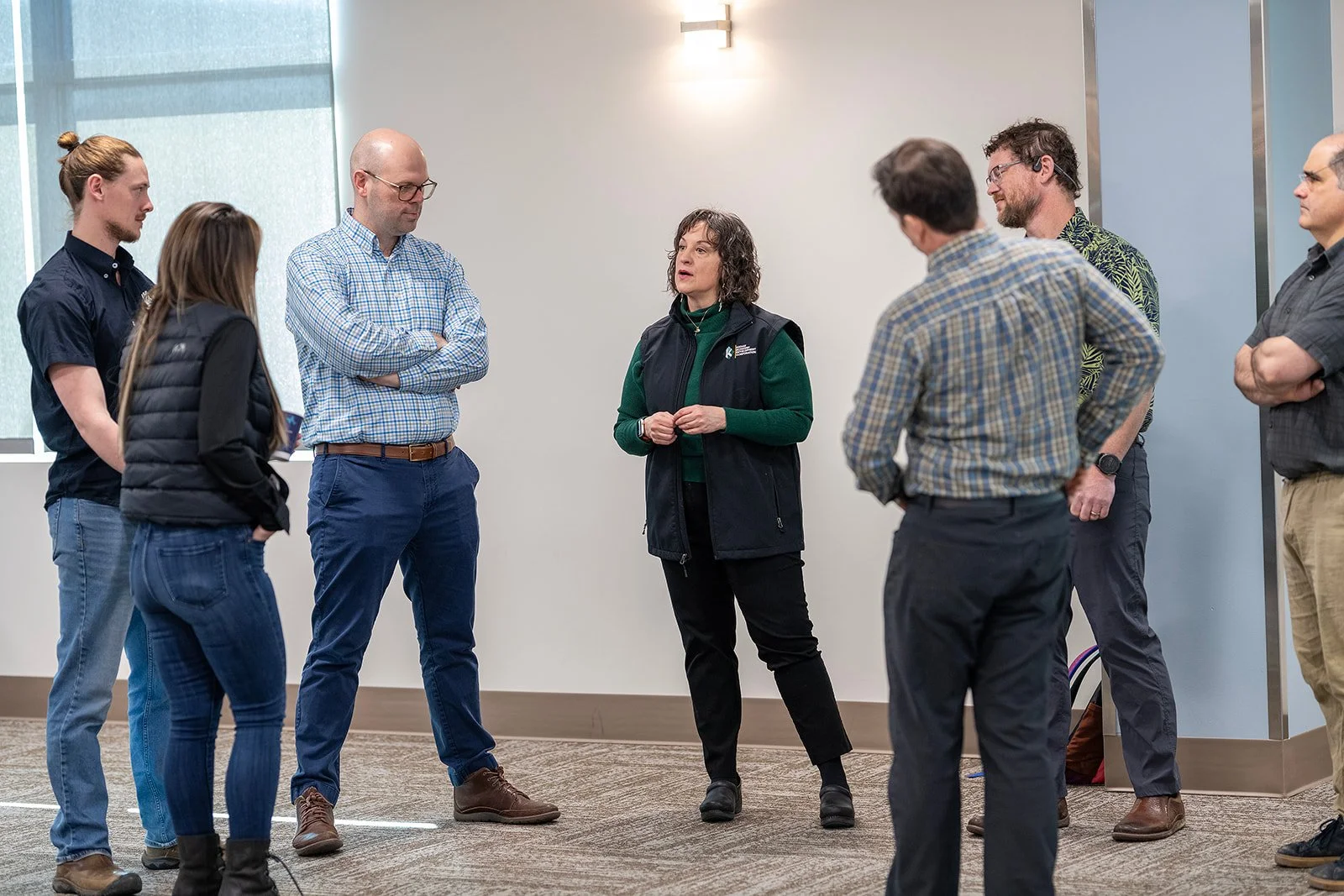
photography by Laura Booch, Sea + Spruce Studios
The Kodiak Workforce Forum was designed to do more than bring people together for a single event.
KEDC wanted to hear directly from employers, educators, workforce partners, business owners, organizations, and community members about what they are seeing in Kodiak’s workforce. We wanted to better understand the challenges affecting local employers today, while also identifying opportunities that can help shape stronger workforce pathways in the future.
That conversation started during the forum, and it is continuing now.
Help Shape Future Workforce Conversations
KEDC is continuing to collect feedback from the Kodiak Workforce Forum and from community members who care about Kodiak’s workforce.
Your input helps us better understand local workforce needs, identify opportunities for support, and plan future workforce conversations in a way that reflects the needs of Kodiak employers, organizations, workers, and community members.
Workforce Challenges Are Connected
One of the clearest takeaways from the forum was that workforce challenges in Kodiak are deeply connected.
Housing affects recruitment. Cost of living affects retention. Childcare affects whether parents can fully participate in the workforce. Training gaps affect hiring. Burnout affects productivity and long-term stability. A lack of career exposure can keep students and workers from seeing the opportunities that already exist here.
These issues may show up differently from one employer to another, but they are rarely isolated.
A healthcare employer, a small business, a construction company, a school, a public agency, and a mariculture business may all describe their challenges differently. Still, many of the root issues overlap. People need a place to live. Families need support. Employers need applicants who are ready to work and able to stay. Students need to see real pathways into local careers. Workers need opportunities to build skills and grow.
That is why KEDC believes workforce conversations need to happen across sectors. The most useful solutions will come from understanding how these challenges connect.
Housing and Cost of Living Came Up Often
Housing was one of the most repeated concerns shared during the forum.
Participants identified housing availability and affordability as major factors affecting recruitment, employee retention, relocation decisions, and long-term workforce stability. For many employers, the challenge is not only finding the right person for a position. It is also whether that person can realistically move to Kodiak, find housing, and build a life here.
Cost of living came up alongside housing. Participants pointed to wages, expenses, childcare, and daily costs as pressures that affect workers and employers. These pressures can contribute to burnout, turnover, and difficulty attracting new employees.
This feedback was not surprising, but it was important to hear it directly from people working across different parts of Kodiak’s economy.
KEDC has been working on housing through the Kodiak Housing Action Plan and Housing Dashboard. The Workforce Forum reinforced how closely housing and workforce development are tied together. When housing is limited, every sector feels it.
Hiring and Retaining Employees Remain Top Concerns
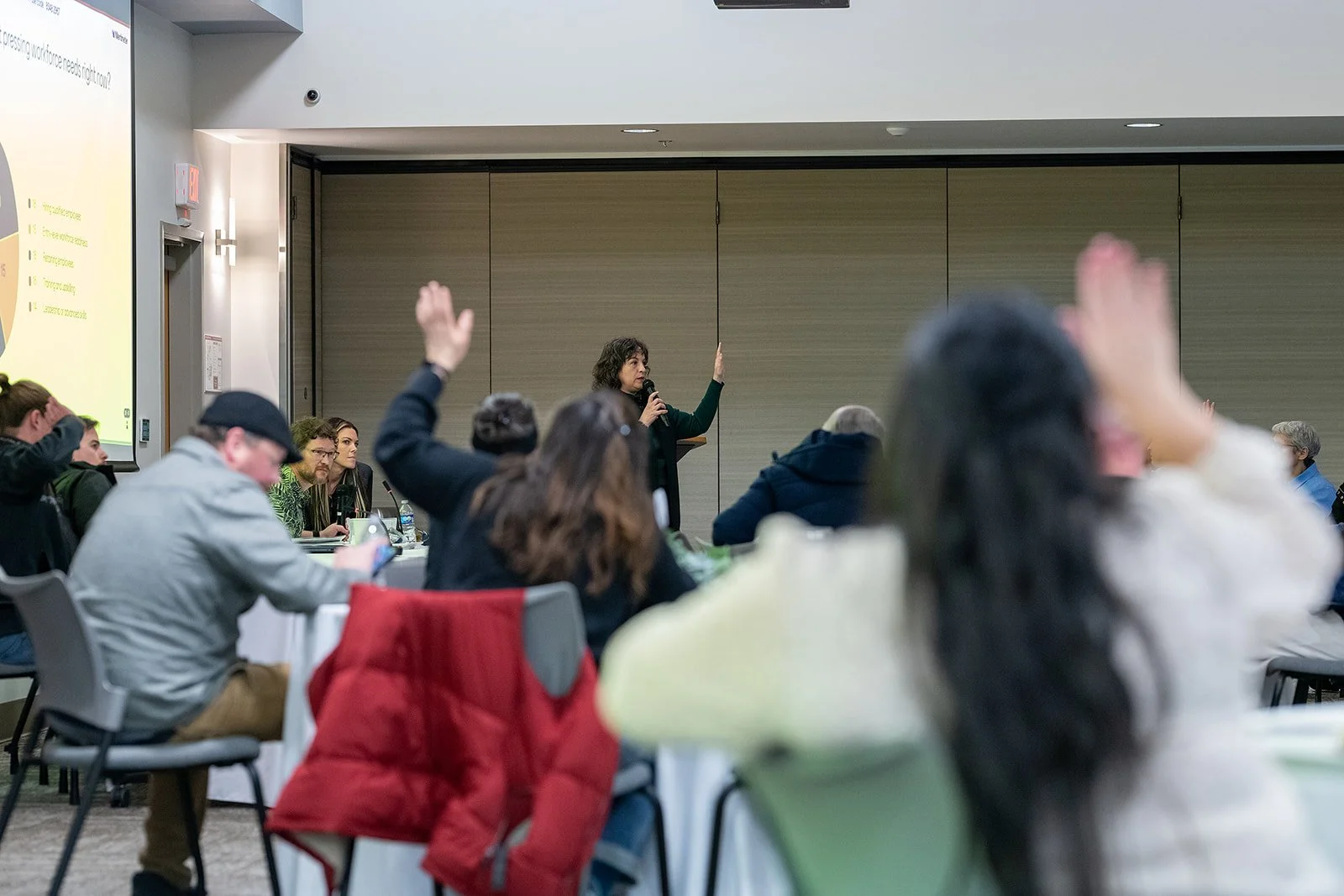
During the forum, participants were asked to identify their most pressing workforce needs.
The highest priority responses were hiring qualified employees and retaining employees. Entry-level workforce readiness, training and upskilling, and leadership or advanced skills were also identified as important needs.
These results reflect what many employers already know from daily experience.
Hiring is difficult. Keeping employees can be just as difficult. Employers are competing for a limited workforce, while also navigating housing challenges, wage pressures, training needs, and the cost of doing business in Kodiak.
Several participants also described the strain that workforce shortages place on existing employees. When positions remain open, the burden often shifts to the people who are already working. That can lead to overwork, stress, service delays, and burnout.
For KEDC, this feedback helps clarify where continued workforce conversations may be most useful. Recruitment and retention are not only employer concerns. They are community concerns because they affect services, business stability, family life, and the long-term strength of Kodiak’s economy.
Workforce Readiness and Soft Skills Matter
Employers also shared feedback about the skills that are difficult to find.
Some responses focused on technical skills, including trades, information technology, commercial driving, hands-on experience, wind turbine technicians, and position-specific training.
Many others focused on workplace readiness and soft skills.
Participants mentioned professionalism, reliability, communication, initiative, customer service, critical thinking, adaptability, leadership, and the ability to show up prepared for work. Several comments reflected a desire for employees who are willing to learn, take responsibility, and grow into their roles.
This is an important part of the workforce conversation.
Technical skills matter, but so do the everyday habits and expectations that help people succeed in the workplace. Employers need workers who can communicate clearly, work with others, solve problems, take feedback, and follow through.
These skills are learned over time. They can be supported through schools, families, mentors, employers, training programs, job shadowing, internships, and early work experience.
That means workforce readiness is a shared effort. It begins before someone applies for a job, and it continues as people move through their careers.
Training and Career Pathways Need Stronger Connections
Participants also identified opportunities to strengthen Kodiak’s workforce.
Many responses focused on partnerships, school and employer engagement, internships, mentorship, career pathway visibility, and hands-on training. Several people pointed to the importance of investing in students who are already here and helping them see a future in Kodiak.
The forum also asked which areas would benefit most from expanded training or Career and Technical Education programs. Participants identified trades, technology and IT, healthcare, business and administration, and maritime, fisheries, and mariculture as important areas for future focus.
This feedback aligns closely with what KEDC heard throughout the day.
Kodiak has career opportunities now. Some are in long-standing industries. Others are connected to emerging areas such as mariculture, aerospace, technology, and the blue economy. The challenge is helping students, workers, employers, educators, and training partners connect in a more coordinated way.
That may include earlier career exposure for students. It may include internships, job shadowing, mentorship, workplace visits, technical training, or adult upskilling opportunities. It may also include clearer communication about which jobs exist, what skills they require, and how people can prepare for them.
In a remote island community, those connections matter. Kodiak cannot rely only on recruiting from elsewhere. We also need to support the people who already live here and help them access the opportunities around them.
Kodiak Has Strengths to Build On
The forum was honest about challenges, but it also showed real strengths.
Participants identified opportunities such as stronger partnerships, local students who want to work and learn, a culture of resilience and care, community cooperation, entrepreneurship, workforce pipeline development, and better connections between schools, tribal entities, nonprofits, businesses, and workforce partners.
Those responses matter.
They show that people are not only naming problems. They are also thinking about solutions.
Kodiak has employers who want to engage. It has educators working to connect students with career pathways. It has workforce partners offering services and support. It has tribal organizations, nonprofits, public agencies, small businesses, and industry leaders who understand that workforce development is tied to the future of the community.
KEDC’s role is to help create space for those efforts to connect.
What This Means for KEDC’s Work
The feedback gathered through the forum will help KEDC continue shaping workforce development efforts in Kodiak.
This includes future conversations around employer needs, Career and Technical Education, student exposure, workforce readiness, technical training, housing impacts, and stronger connections between local businesses and workforce partners.
It also helps KEDC better understand where more information is needed.
That is why the survey is important. The forum gave us a strong starting point, but continued feedback will help us build a clearer picture of Kodiak’s workforce needs over time. The more input KEDC receives, the more useful this information becomes for future planning, grant development, partner conversations, and workforce events.
Please Share Your Feedback
KEDC is continuing to collect input from forum attendees, employers, organizations, workers, students, and community members.
Whether you attended the forum or simply care about Kodiak’s workforce, your perspective is valuable.
Your feedback will help KEDC better understand local workforce needs, identify practical opportunities for support, and plan future forums and workforce conversations.
Looking Ahead
The Kodiak Workforce Forum showed that people are ready to talk about workforce challenges in a practical way.
It also showed that Kodiak has the relationships, knowledge, and commitment needed to keep building stronger pathways between education, training, employment, and economic opportunity.
The challenges are real. So is the willingness to work together.
KEDC will continue listening, gathering data, sharing what we learn, and helping connect the people and organizations working to strengthen Kodiak’s workforce.
That work continues with this survey, future conversations, and the next steps we build together.