Why Housing Is Economic Development in Kodiak
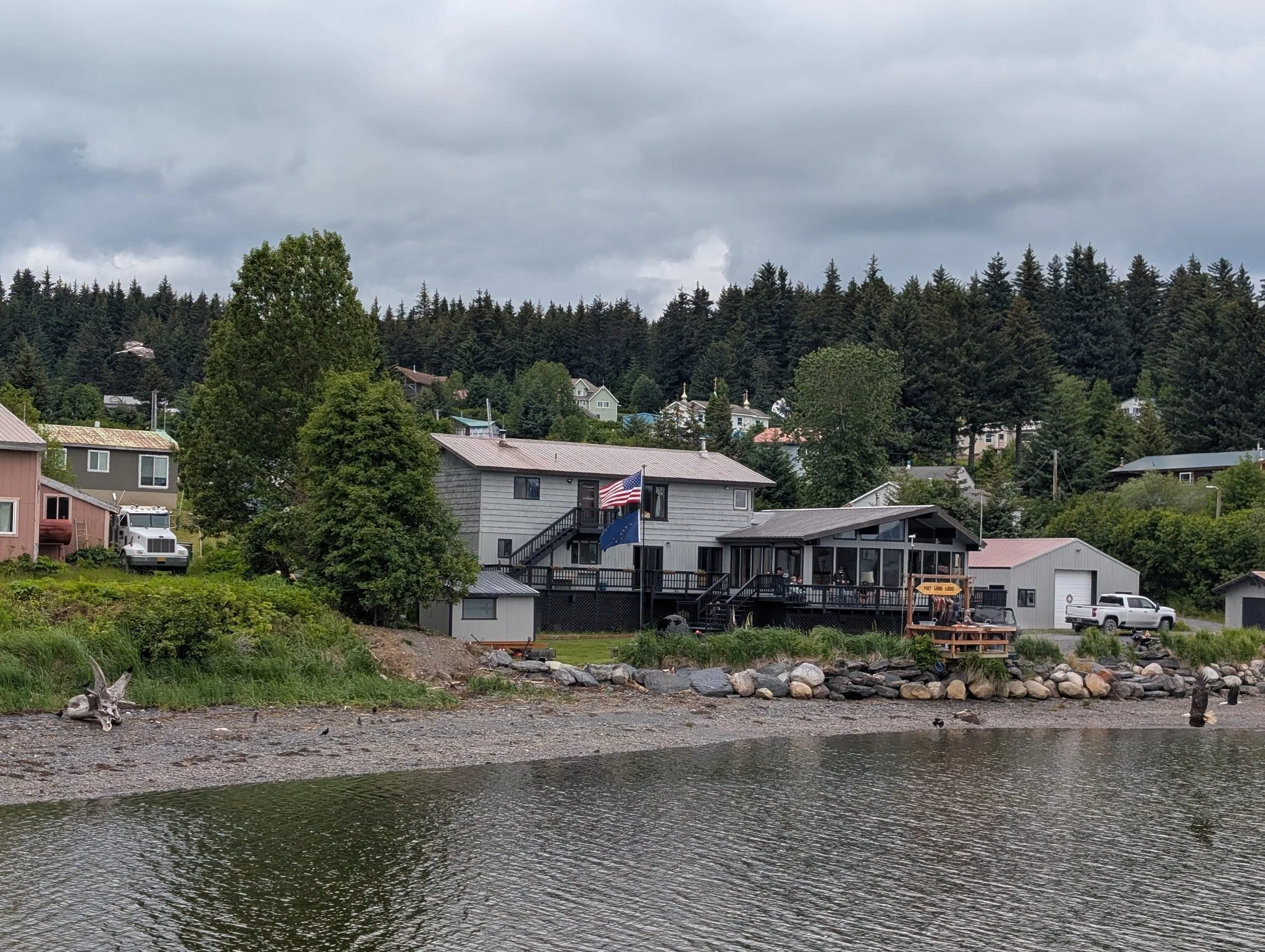
People feel Kodiak’s housing challenges in practical, everyday ways. A family wants to stay, but cannot find a rental. A business has a strong job applicant, but the applicant has nowhere to live. A young person wants to come home after school or training, but the cost of housing makes that feel out of reach. An elder wants to stay close to family, but needs a home that works better for this stage of life.
These are housing issues, but they are also economic issues. Housing shapes who can live here, who can work here, who can return, and who can imagine a future in Kodiak.
That is why housing is part of economic development.
When housing is limited or too expensive, the effects move through the whole community. Employers have a harder time hiring. Families delay plans. Local organizations struggle to recruit. Villages work to keep existing homes in use. Young people look at the cost of living and wonder whether Kodiak can be part of their future.
Housing is one of the foundations that makes community life possible.
From concern to a shared plan
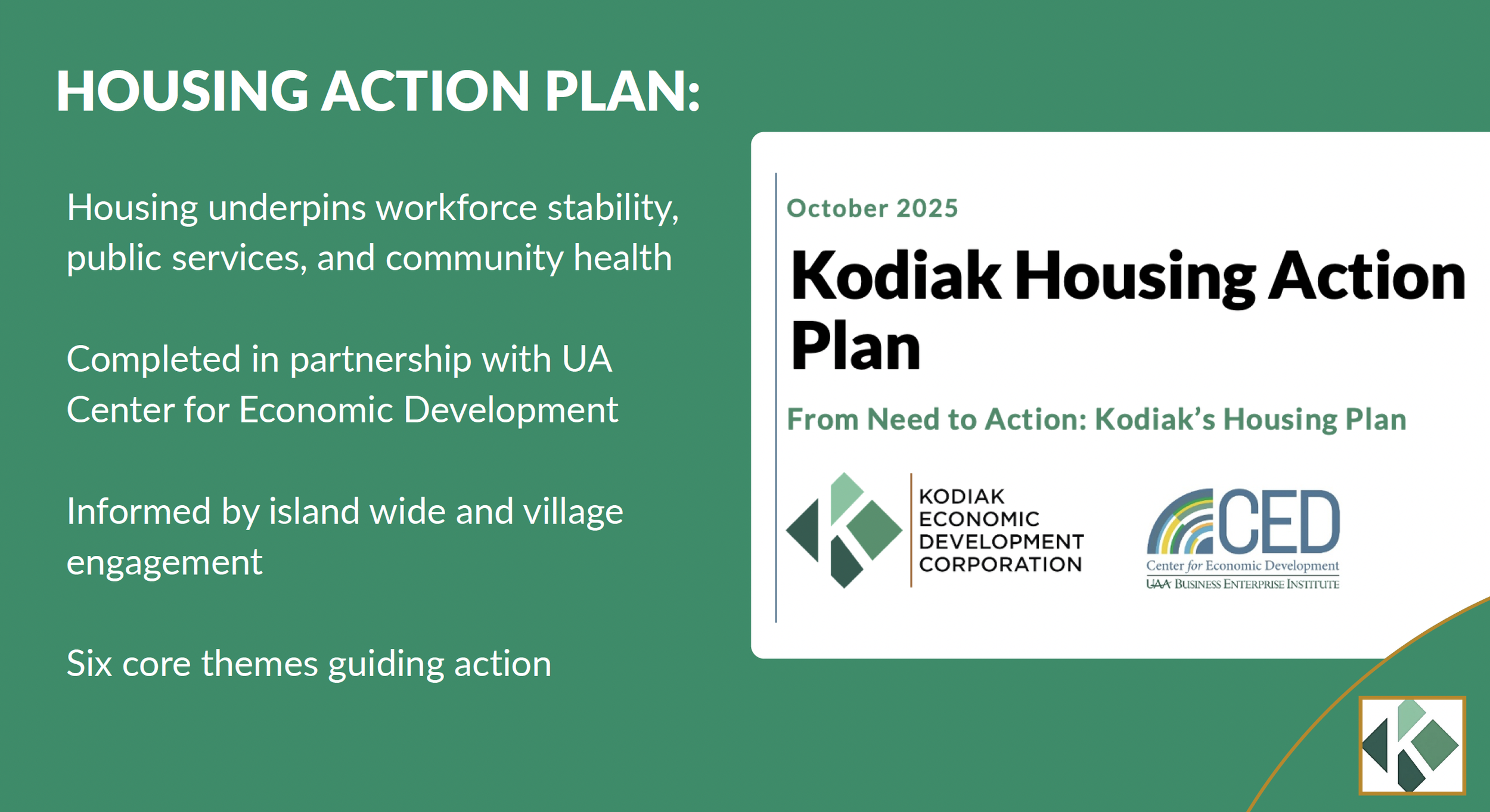
The Kodiak Housing Action Plan was created to help move the housing conversation from concern toward action.
KEDC worked with the University of Alaska Center for Economic Development and community partners to better understand what people across Kodiak were experiencing. The process included public input, village visits, focus groups, local conversations, and data analysis. Each part helped add a clearer picture of what is happening and what steps could help.
The final plan includes 22 recommendations. It looks at different tools Kodiak can use over time, including local housing funding options, zoning and land use updates, clearer development processes, infrastructure needs, village housing repair, and long-term coordination.
The plan does not suggest that one idea will solve everything. Housing is too complex for that. Instead, it gives Kodiak a shared starting point and a practical way to keep working.
That matters because a community cannot make steady progress if everyone is working from a different set of assumptions. The Housing Action Plan helps organize the information, name the barriers, and give partners a clearer way to talk about what comes next.
Why the Housing Dashboard matters
After a plan is finished, people often ask a fair question: what happens now?
The Housing Dashboard helps answer that question.
KEDC created the dashboard to make housing information easier to find and easier to follow. It gives residents, decision-makers, businesses, and community partners a place to see housing data, learn about the Housing Action Plan, and track implementation work over time.
That kind of public information is important. When information is scattered, people are left to guess what is happening. The dashboard helps keep the conversation grounded in shared information. It also gives people a way to follow progress, understand challenges, and see where more work is needed.

The role of the Housing Steering Committee
A plan needs people to keep it moving.
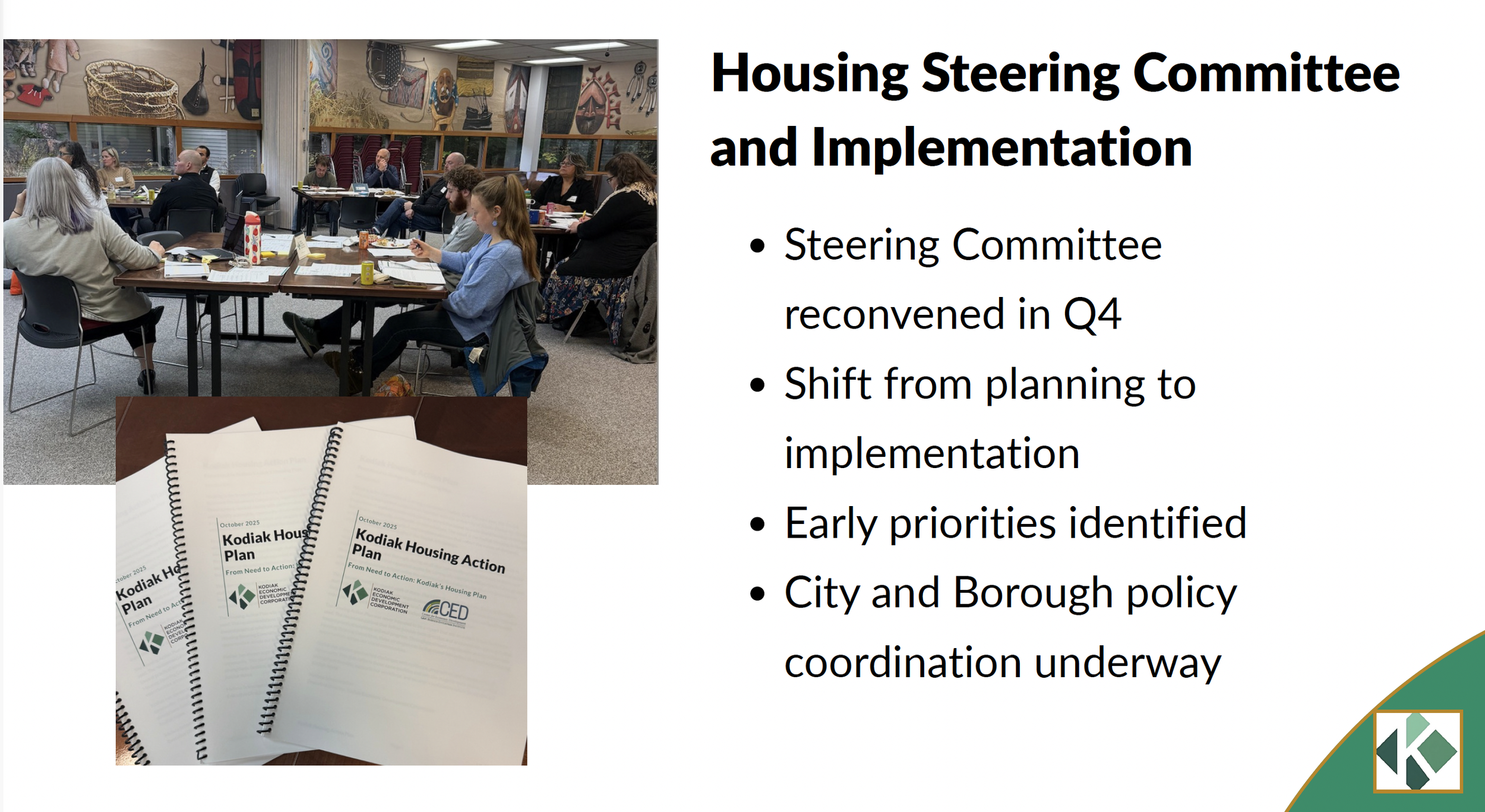
The Housing Steering Committee helps do that. The committee brings together partners who care about housing from different angles and gives them a regular place to look at priorities, discuss barriers, and stay connected to implementation work.
Housing progress will take time. Some steps may involve local policy. Some may involve funding, land, infrastructure, repairs, or development partnerships. Some opportunities may come from employers, Tribes, local governments, builders, nonprofits, or community organizations.
The Housing Steering Committee helps keep those conversations from drifting apart.
It also helps connect big ideas to real work. A recommendation in a plan only becomes useful when people keep asking: Who needs to be involved? What information is missing? What can move now? What needs more time? What would help this become possible?
That steady follow-through is not always visible, but it is one of the most important parts of economic development work.
What this work looks like for KEDC
KEDC’s role in housing is centered on coordination, information, and follow-through.
That can look like helping convene partners, supporting the Housing Steering Committee, maintaining the Housing Dashboard, sharing updates, looking for funding or technical assistance opportunities, and helping connect housing to other community priorities like workforce, business stability, and village development.
Much of that work happens between public milestones. It may happen in meetings, emails, phone calls, grant conversations, dashboard updates, or planning sessions. Those steps may not always be easy to see from the outside, but they help keep the work moving.
Housing is a good example of how economic development often works in a small island community. It is rarely one organization doing one thing. It is more often many people working on connected pieces over time.
KEDC helps keep those pieces connected.
Why this affects daily life
Housing affects more than the housing market.
It affects whether a teacher can accept a job. It affects whether a healthcare worker can stay. It affects whether a small business can hire enough staff. It affects whether a senior can remain close to family. It affects whether villages can bring vacant or damaged homes back into use. It affects whether young people believe there is room for them here.
It also affects how Kodiak prepares for the future.
A community with more housing options has more flexibility. It can better support workers, families, students, elders, employers, and local organizations. It can respond to opportunities with more confidence. It can give people more reasons to stay, return, and invest their lives here.
Moving forward
The Housing Action Plan gives Kodiak a place to begin, and the dashboard helps the community follow the work as it continues.
The next steps will take patience and persistence. Progress may come through small wins, policy changes, funding tools, repair programs, development partnerships, infrastructure planning, and continued public involvement. Each step matters because housing challenges are built over time, and solutions will also take time.
KEDC will continue supporting the Housing Steering Committee, sharing information through the Housing Dashboard, and helping partners stay connected to implementation work.
Residents also have a role.
You can read the Housing Action Plan. You can use the Housing Dashboard. You can share what you are seeing. You can participate in public conversations. You can contact KEDC if you have ideas, concerns, questions, or a connection that could help move housing work forward.
Housing affects all of us in some way.
Working on housing is one way Kodiak works on its future.
Source note : this post is grounded in the Kodiak Housing Action Plan and its description of the planning process, recommendations, dashboard/coordination needs, and implementation role.