
How an Economic Development Organization Like KEDC Serves Kodiak
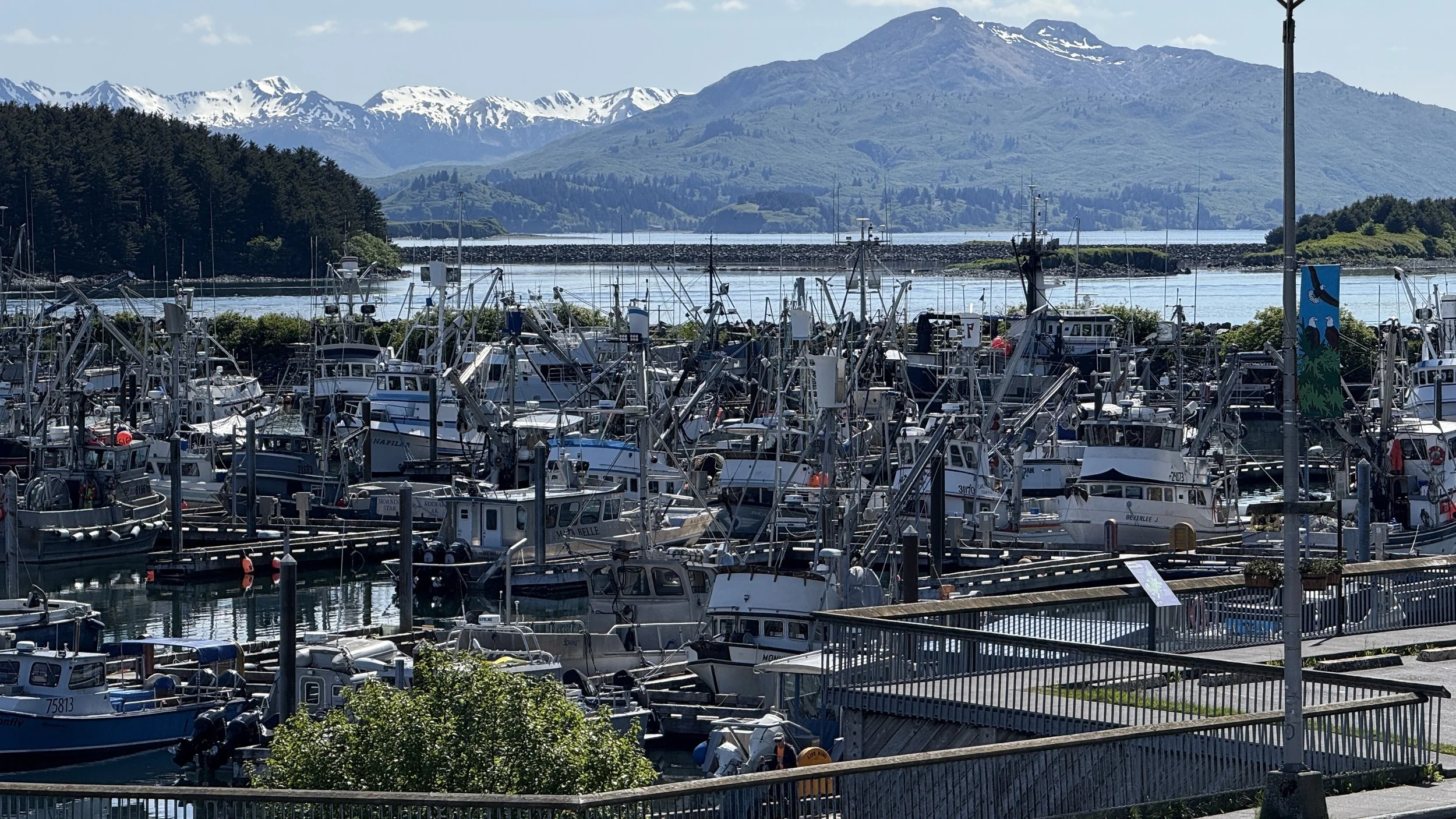
A simple guide to economic development in our island community
Kodiak is a strong community, but living and working here comes with real challenges. Housing is hard to find, employers often struggle to hire and keep workers. We are seeing that young people need clearer pathways into local careers. And though our businesses and community partners often have good ideas, they need time, information, funding, or coordination to move those ideas forward.
That is where economic development work comes in.
Economic development is about helping Kodiak remain a place where people can live, work, raise families, run businesses, and build a future. It focuses on the everyday conditions that shape whether our community can stay strong and respond to change.
KEDC helps with that connecting work. We bring people together, listen to what they are seeing (and saying), gather useful information, and help turn shared concerns into practical next steps.
Much of this work happens behind the scenes, but it matters. It helps Kodiak stay focused, prepared, and moving forward.
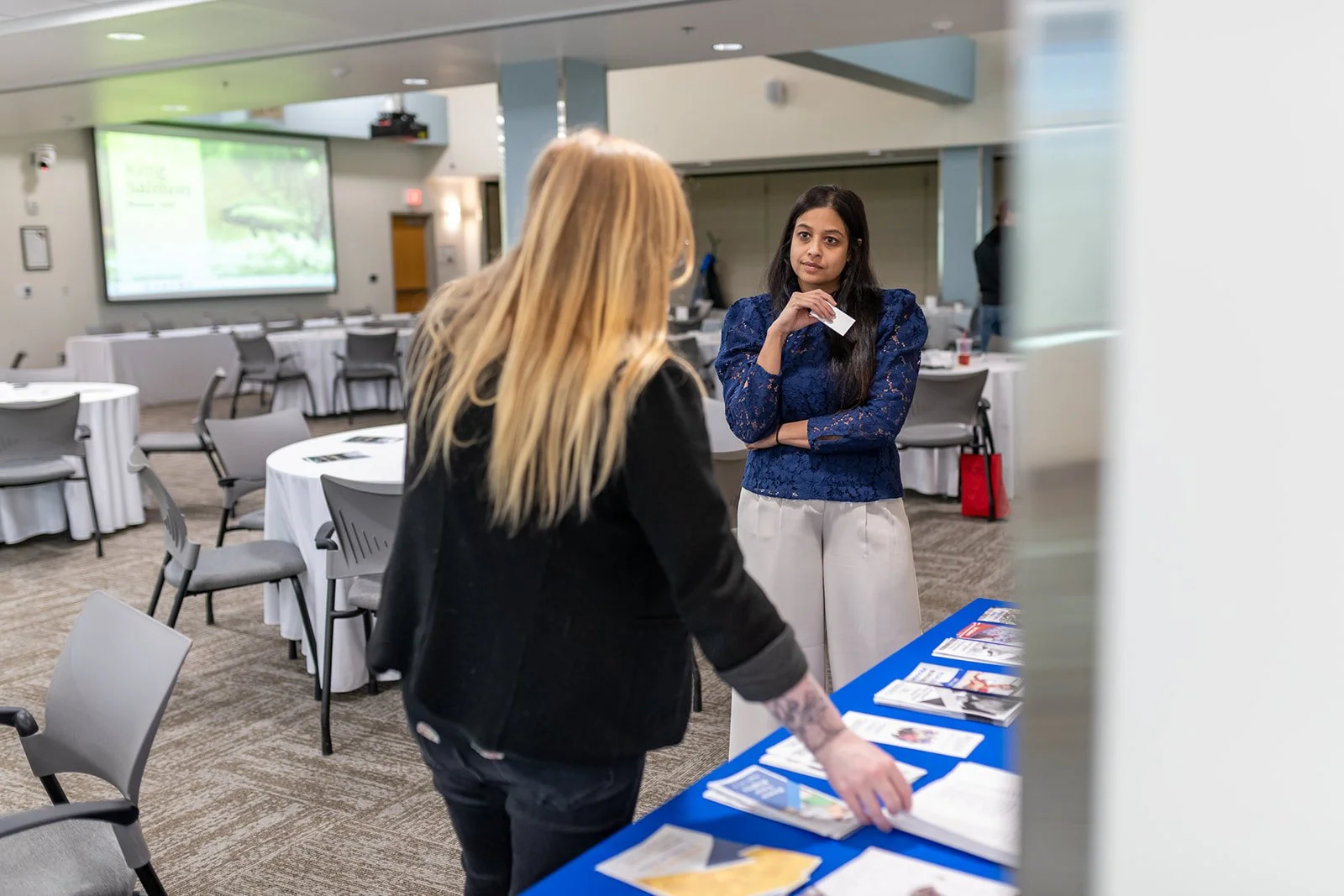
Why does this matter to you?
Economic development work can feel distant until it touches daily life.
It matters when a business cannot find enough workers or a family wants to stay but cannot find housing.
Or when students do not know what careers are available here.
Quite often a local idea needs partners, funding, or a plan before it can move forward.
There are times when the Kodiak community needs reliable information to make better decisions.
KEDC works in those spaces. We help connect people, information, and resources so Kodiak can respond to challenges and prepare for opportunities.
What is economic development?
And more importantly, does it actually matter?
Answering the second question first: Yes, it really does matter. And believe it or not, it’s actually more exciting than you may think!
Economic development is the work of strengthening a community’s economy and quality of life over time.
Here at home in Kodiak, that means paying attention to the things that help people stay, work, invest, and ultimately build a future here, which includes housing, workforce, business stability, local industries, infrastructure, training, public information, and community partnerships.
These issues are connected.
A quick example to see that interconnection: A business cannot grow without workers BUT workers need housing; so a shortage of housing actually creates a shortage of both.

What is an Economic Development Organization?
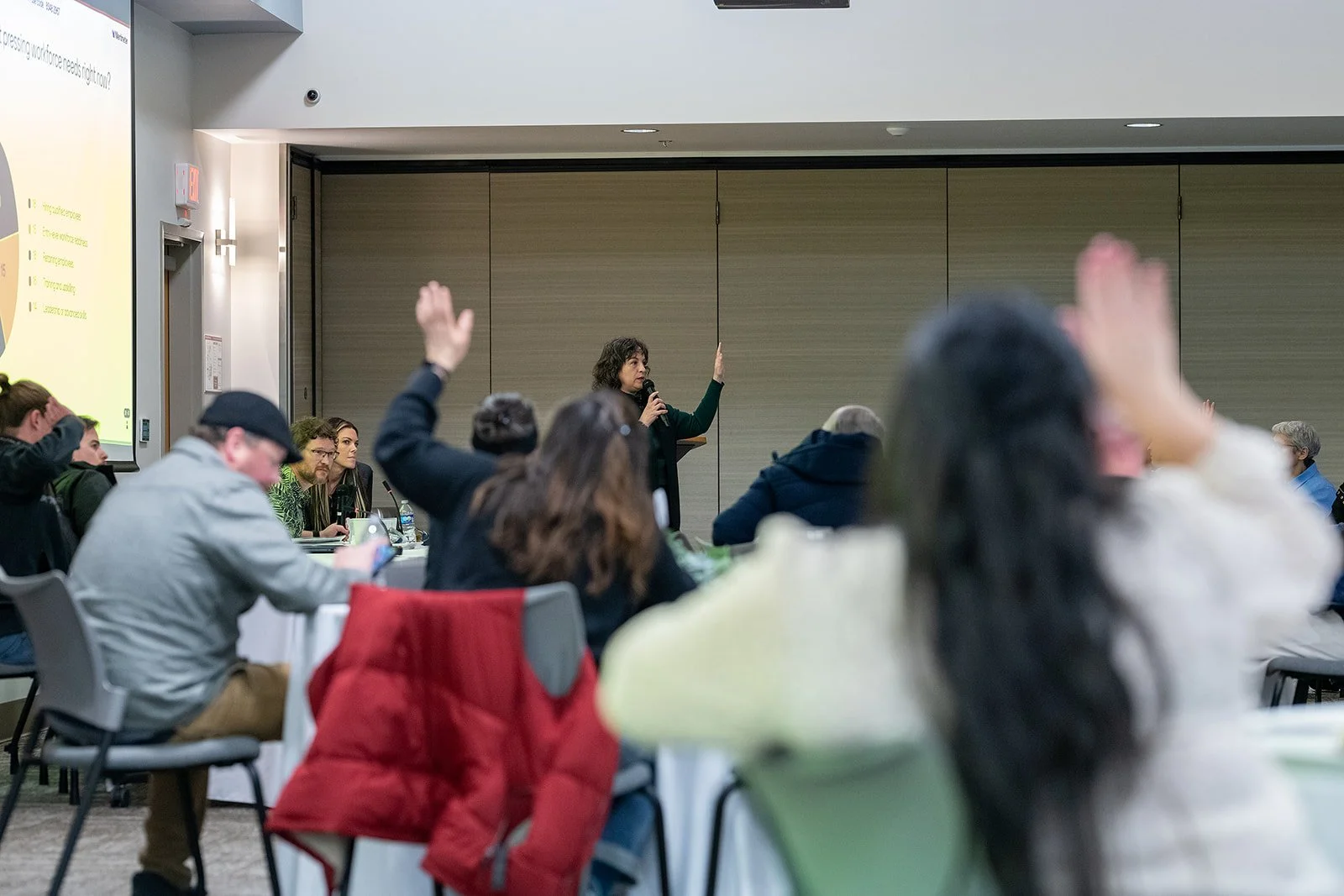
An Economic Development Organization (EDO), helps a community work on long-term economic priorities.
An EDO is not always the organization building the housing, hiring the employees, running the businesses, or making every public decision. Its role usually is to help the community understand what is needed, bring the right people together, and support the planning, funding, and follow-through that help good work move forward.
For KEDC, this often means listening to residents and employers, hosting public conversations, gathering data, writing reports, supporting grant-funded projects, and helping partners stay connected after a meeting or plan is finished.
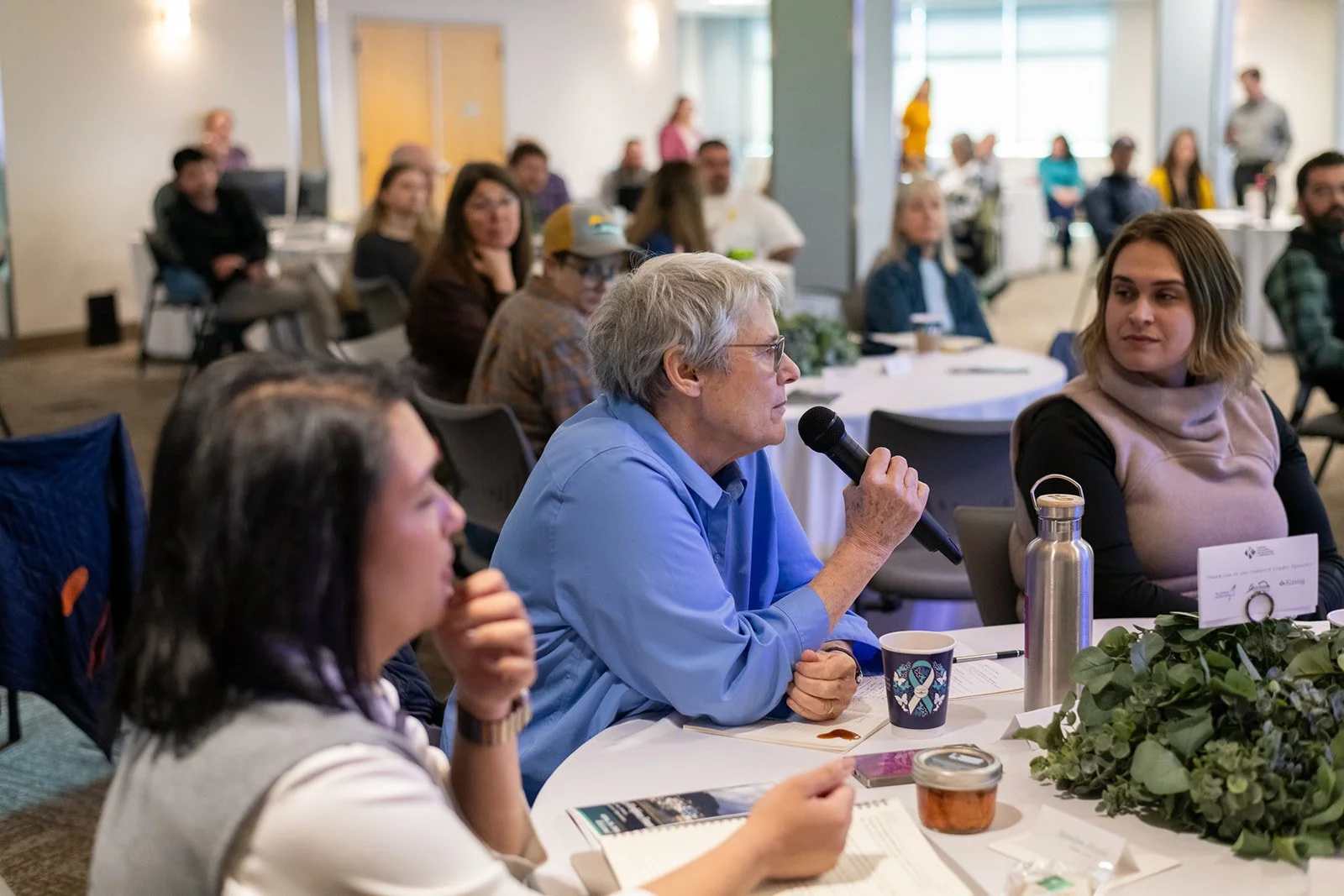
What does KEDC do for Kodiak?
KEDC helps make sure important conversations do not stay scattered.
We gather what people are seeing, organize that information, and bring it back to the community in ways people can use. Sometimes that looks like a public report. Sometimes it looks like a dashboard. Sometimes it looks like a forum, a grant-funded project, or a meeting that helps partners decide what needs to happen next.
Our work is guided by a simple idea: Kodiak is stronger when people have useful information, shared priorities, and a practical plan to work together.
Answers to help you understand our work
Questions about KEDC and our role come up often.
Here are answers to help explain what we do, how we work, and how people can follow or participate in the work.
-
We listen to residents, employers, and community partners; gather and organize useful information; bring the right people together; develop plans and funding opportunities; and support follow-through.
That work may result in a public report, dashboard, community forum, grant-funded project, partnership, or an organized next step that helps others move important work forward.
-
No, KEDC is an independent nonprofit governed by its own board. It is not a department of either the City of Kodiak or the Kodiak Island Borough.
However, KEDC does work with both local governments. And we also work with tribal organizations, village communities, Kodiak schools, employers, nonprofits, agencies, and other partners, when priorities overlap, but we do not speak for, or replace those organizations.
-
No. KEDC’s mission and project work are intended to serve the whole Kodiak Archipelago. We look for ways for our work to include perspectives from the road system and Kodiak’s village communities.
The geographic reach of an individual project may vary depending on its purpose, funding, and participating partners.
-
KEDC’s board provides organizational oversight, but our work is also shaped by community and partner input, employer conversations, public planning efforts, regional priorities, project agreements, and funding requirements.
We look for places where better information, coordination, planning, or partnership can help Kodiak make progress.
-
KEDC focuses on communication methods that allow us to share complete, useful information and stay connected with people.
Our website is the primary home for current project updates, reports, dashboards, meeting information, and public resources. We also share timely updates through our email newsletter and connect directly with people through meetings, presentations, community forums, and partner conversations.
Facebook and Instagram are not currently active communication channels for KEDC. We recognize that social media is one way people look for community news, and we will continue evaluating how best to expand our reach. In the meantime, our website and email newsletter are the best ways to receive current KEDC information.
-
Housing and workforce directly affect whether people can live, work, and build a future in Kodiak. Employers need workers, workers need places to live, and families need confidence that they can remain in our community.
These issues are foundational to business stability, community well-being, and Kodiak’s long-term economic future.
-
KEDC helps local partners understand shared needs, organize information, identify opportunities, and coordinate the planning and follow-through that can help projects move forward.
-
We have a variety of community events that you can register for: trainings, value chains or working groups, as well as forums. You can view our calendar here.
-
This page brings together links to KEDC’s public plans, reports, dashboards, project pages, meetings, and updates.
You can also read our Updates page, attend public events, or join KEDC’s email newsletter to receive project news, new resources, and information about upcoming opportunities.
If you are looking for information about a particular project, please contact us.
-
Start by reaching out. You may have information to share, a project that needs partners, an emerging business or community need, or an interest in participating in a committee, forum, survey, or planning effort.
Not every idea will become a KEDC project, but we are always interested in understanding what people are seeing and where stronger connections may help.
What this looks like in real life here in Kodiak
Housing
Housing affects almost every part of Kodiak’s economy. It affects whether families can stay, whether employers can hire, whether young people can return, and whether communities can remain strong.
KEDC helped coordinate the Kodiak Housing Action Plan with the University of Alaska Center for Economic Development and community partners. The plan was built through public input, village visits, focus groups, data analysis, and local conversations. It identified practical recommendations to help Kodiak work on housing finance, zoning, development processes, infrastructure, village housing, and long-term coordination.
KEDC also maintains the Housing Dashboard so residents, partners, and decision-makers can follow progress and better understand the housing issues facing Kodiak.
Workforce
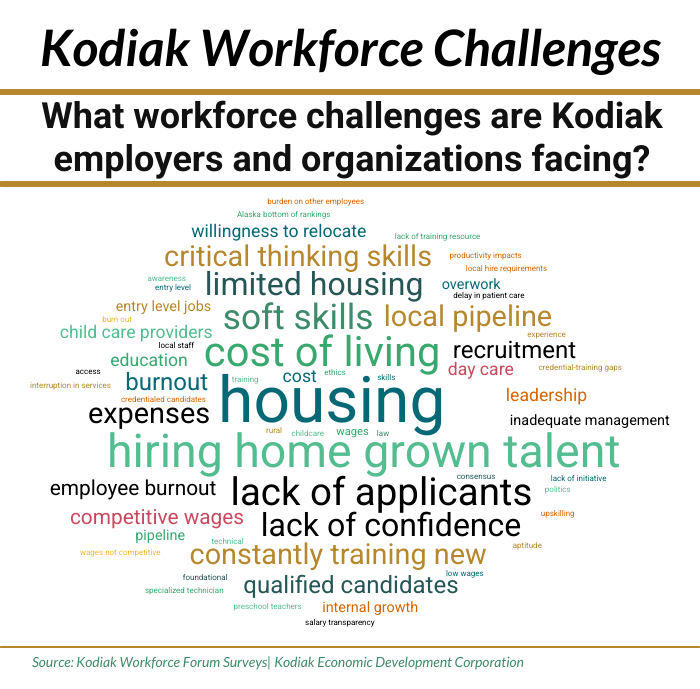
Workforce is one of the clearest examples of how connected Kodiak’s challenges are. Employers need workers. Workers need housing. Students need career pathways. Training partners need to understand what skills are needed locally.
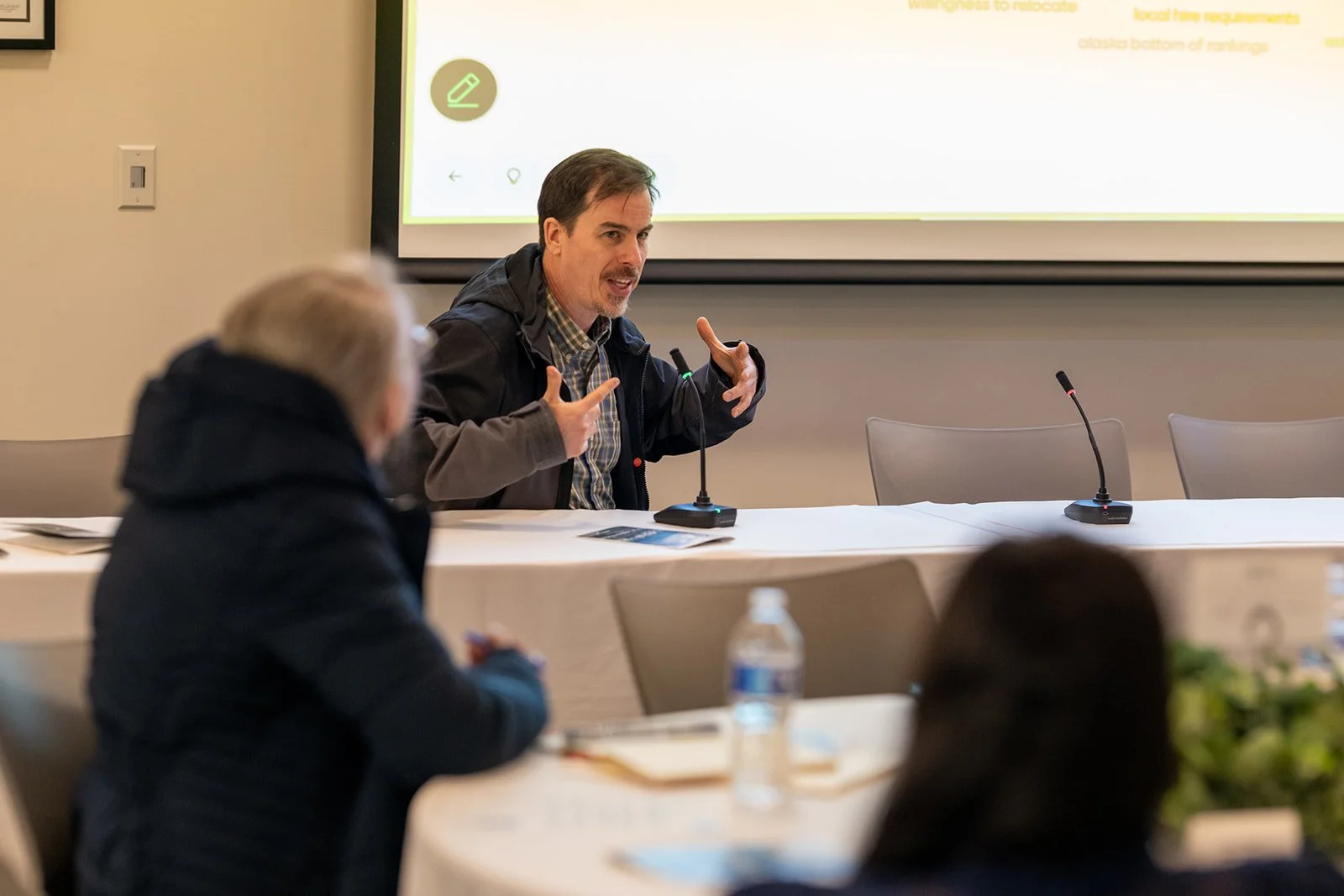
KEDC convened the Kodiak Workforce Forum to bring employers, educators, workforce partners, industry representatives, and community leaders into the same conversation. The goal was to listen, identify shared needs, and use what was learned to support practical next steps.
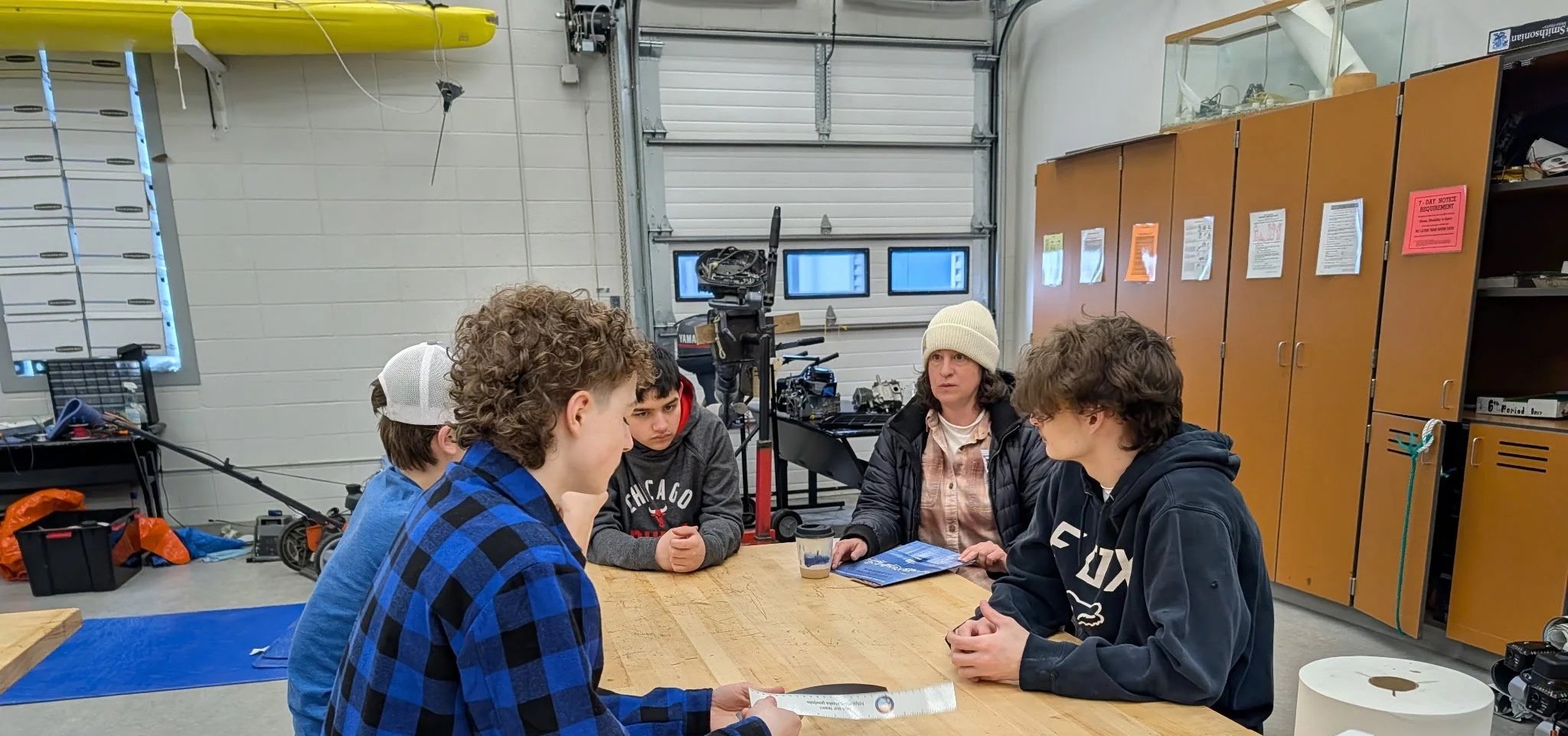
That work continues through public reporting, employer conversations, Career Connections planning, and efforts to strengthen the link between education, training, and local jobs.

Community resources
Economic development work can also bring practical resources directly to residents. A recent example we can share is KEDC’s partnership with Rural Community Assistance Corporation. Because of our work through this grant, Kodiak residents who rely on private wells have access to no-cost well assessments, water testing, reports, and technical guidance. A real value of at least $750 for individuals.
That is one way partnership work becomes a direct community benefit.
Emerging opportunities
Kodiak’s economy is rooted in long-standing industries, but it also needs room to prepare for new and changing opportunities.
Mariculture is one example. KEDC has supported planning and coordination around mariculture by working with partners on business planning, processing capacity, engineering work, and workforce conversations. This kind of work helps emerging opportunities become better understood, more organized, and more ready for future investment.
TOPICS TO READ
KEDC is sharing a series of posts to help explain what economic development looks like in Kodiak. Each post focuses on one part of the work, such as workforce, housing, partnerships, shared information, and business support, and shows how these efforts connect to daily life in our island community.
Understanding KEDC’s role
KEDC’s role is to support progress and help connect the work. Economic development depends on many people and organizations doing their part.
Local governments make public decisions. Businesses create jobs and invest in services. Schools and training partners prepare students and workers. Tribal organizations, nonprofits, agencies, and community groups bring knowledge, programs, and relationships. Residents bring lived experience and local perspective.
KEDC helps connect those efforts so Kodiak can move with better information, stronger partnerships, and more follow-through.
How this work benefits Kodiak
KEDC’s work helps Kodiak see the bigger picture.
A housing issue may also be a workforce issue. A workforce issue may also be a business issue. A business opportunity may need infrastructure, training, funding, or public understanding before it can move forward.
KEDC helps connect those dots. We help bring people into the same conversation, organize what we hear, and support next steps that are grounded in local needs.
That benefits residents, businesses, students, employers, community partners, and anyone who cares about Kodiak’s future.
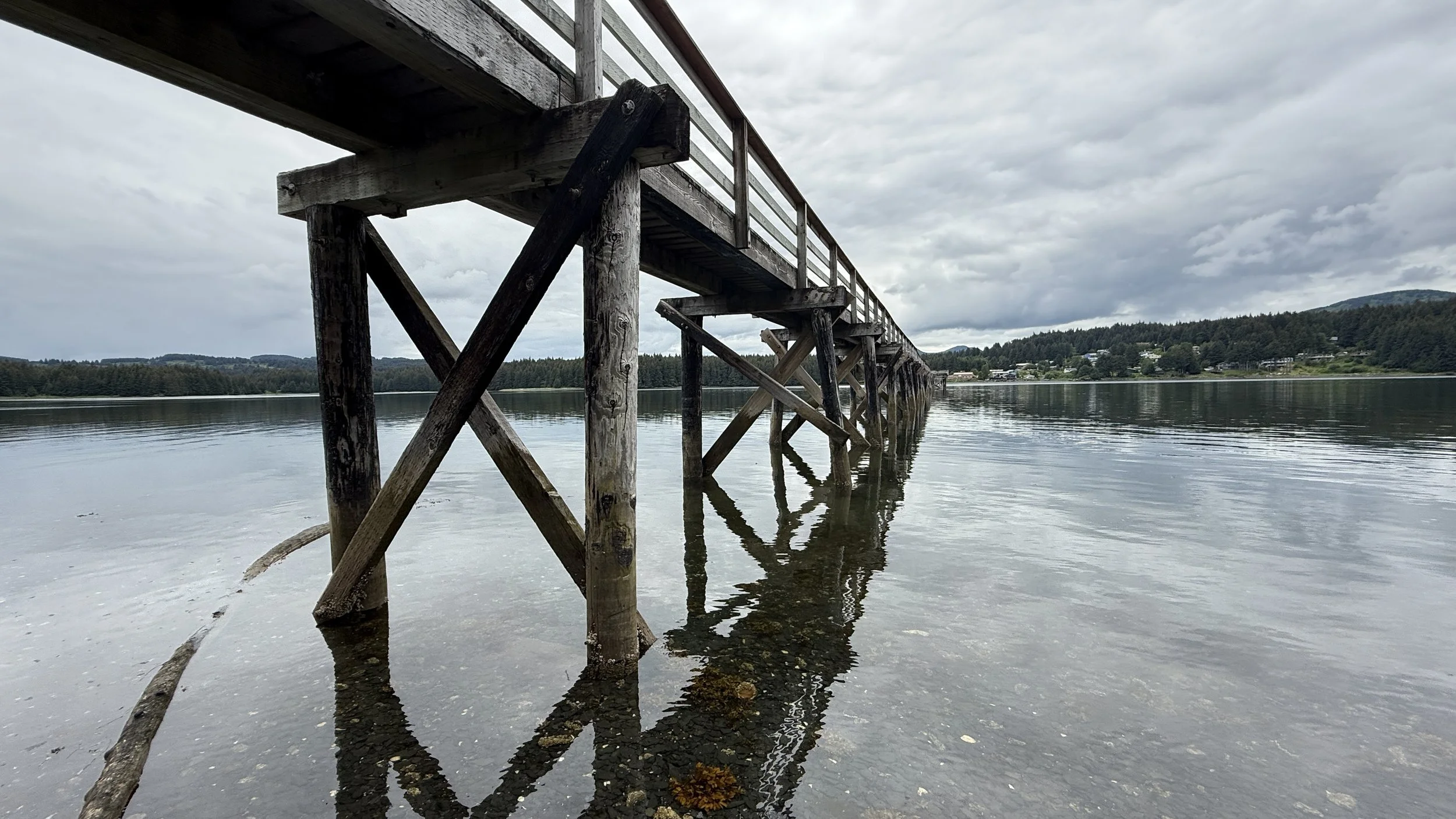
Economic Development in Action
KEDC is sharing a series of short posts to help explain what economic development looks like in Kodiak. Each post focuses on one part of the work, such as workforce, housing, partnerships, shared information, and business support, and shows how these efforts connect to daily life in our island community.
Ways to Work With KEDC
Economic development works best when people participate.
KEDC works with residents, employers, students, business owners, local organizations, and community partners who want to help strengthen Kodiak’s future. You may be interested in joining a conversation, serving on a committee, sharing local knowledge, responding to a survey, or helping connect KEDC with others who should be at the table.
Current areas for involvement include housing, workforce and Career Connections, business support, walkability, and other value chain work connected to Kodiak’s long-term economic health.
If you would like to be part of this work, please use the contact form to tell us what you care about and how you would like to be involved.
You can stay connected by reading KEDC reports, using public dashboards, attending forums, completing surveys, sharing employer or community needs, and reaching out when you see an opportunity for partnership.
Kodiak’s future will be shaped by many hands. KEDC’s role is to help keep that work connected, practical, and moving forward.
Keep up to date subscribing to our newsletter.
Read our Updates Blog. We work hard keeping that current so you can learn what we are doing in real time.
Use the contact form (above) to email us.